Last Updated on September 16, 2026 by Dr. Nader Ehsani
Caring for Your Braces in San Diego
Caring for braces comes down to a few habits: brush and floss thoroughly around brackets and wires, avoid hard, sticky, and chewy foods, ease soreness with over-the-counter pain relief and orthodontic wax, and call your orthodontist promptly if a wire or band comes loose. Good daily care keeps treatment on track and protects your results.
Wearing braces is a big step toward a healthier, more confident smile, and a little know-how makes the journey smoother. At Elite Orthodontics Group in San Diego, we give patients of every age clear guidance on caring for braces (metal, ceramic, Damon, and Invisalign) so treatment stays comfortable, efficient, and on schedule.
How Do I Brush and Floss With Braces?
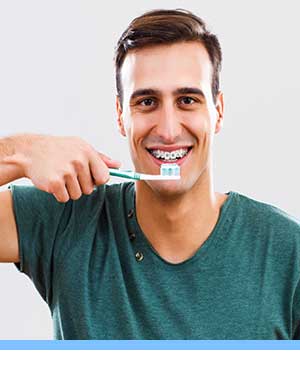
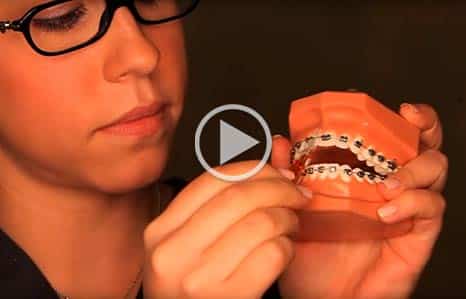
Great oral hygiene matters more than ever with braces, because brackets and wires trap food and plaque. Brush gently after every meal, angling the brush to clean above and below the brackets, and floss daily using a floss threader or a water flosser to reach under the wire.
Patients who let hygiene slip may need more frequent professional cleanings, and adults with a history of gum issues may benefit from continued care with a periodontist during treatment. If you ever want a refresher, just ask our team to walk you through the technique at a visit.
What Should I Eat, and Avoid, With Braces?
For the first few days after braces are placed or adjusted, stick to soft foods while your mouth settles. After that you can enjoy most meals, as long as you protect your appliances. To keep treatment on track, avoid:
- Chewy foods like licorice and soft bagels
- Crunchy foods such as popcorn, ice, and hard chips
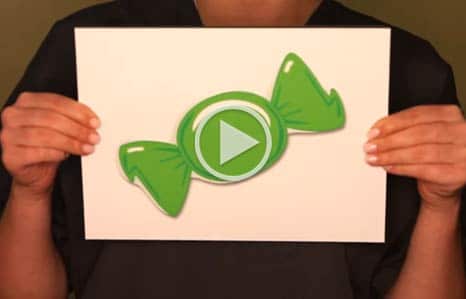
- Sticky foods like caramels and chewing gum
- Hard foods such as nuts and hard candy
- Foods you bite into, like corn on the cob, whole apples, and raw carrots (cut them into smaller pieces first)
Chewing on pens or fingernails can also bend wires and loosen brackets, which adds time to treatment.
Is Soreness Normal After Getting Braces?
Yes. Mild soreness and tooth sensitivity for a few days after placement or an adjustment is completely normal. Over-the-counter pain relievers like Tylenol can help, and warm salt-water rinses are soothing. Your lips, cheeks, and tongue may feel a little irritated as they get used to the brackets, and orthodontic wax pressed over a rough spot gives quick relief.
Why Do My Teeth Feel Loose During Treatment?
A slight loose feeling is normal and even necessary. Teeth have to loosen a little to move into their new positions. Once treatment is complete and the bone settles, they stabilize in their corrected alignment.
What Should I Do If a Wire or Band Comes Loose?
Loose or poking wires happen and usually are not an emergency. You can gently nudge a poking wire back into place with the eraser end of a pencil and cover the spot with orthodontic wax for relief.
Then call our office so we can schedule a quick visit to fix it properly. For anything painful or urgent, see our emergency orthodontic care page.
Why Is Wearing Rubber Bands So Important?
Rubber bands (elastics) and similar appliances do the heavy lifting of bite correction. Wearing them exactly as instructed lets your teeth and jaws move on schedule. Skipping them or breaking appliances can add weeks or months to treatment, so consistency really pays off.
Can I Play Sports With Braces?
Yes. If you play sports, especially contact sports, let us know and we will recommend or provide a protective mouthguard that fits over your braces. It guards both your smile and your appliances during games and practice.
After Your Braces Come Off
Caring for your smile does not end on the day the braces come off. A retainer holds your teeth in their new positions, so wearing it as directed is the final, essential step that protects everything your treatment achieved.
Frequently Asked Questions
Braces are one of the most effective ways to create a healthy, confident smile, but it’s natural to have questions before starting treatment. Below are answers to common questions about braces, oral hygiene, food restrictions, treatment timelines, and what to expect throughout your orthodontic journey.
How often should I brush when I have braces?
Ideally, after every meal and snack, plus before bed. Brushing soon after eating clears the food that collects around brackets before it turns into plaque.
Can I chew gum with braces?
No. Gum is sticky enough to pull at wires and brackets. It is best avoided for the length of treatment to prevent damage and delays.
How do I get food out from under my wires?
A floss threader, interdental brushes, or a water flosser work well to clear food from under the wire. Keep a small kit with you for after meals away from home.
Will braces give me a lisp or change how I talk?
Some patients notice a brief adjustment, especially with braces on the upper teeth, but speech almost always returns to normal within a few days as your mouth adapts.
How can I contact your office?
Severe pain, a broken appliance, or a wire you cannot manage at home. For those, contact us right away and see our emergency orthodontic care page.
Questions About Your Braces? We Are Here to Help
Whether you are starting treatment or troubleshooting between visits, our team is a phone call away. Serving
Serra Mesa, Kearny Mesa, Mission Valley, La Jolla, Clairemont, and central San Diego.
> Contact us → Request an appointment · (858) 277-8080 · Se habla español.
*Reviewed by Dr. Nader Ehsani, board-certified orthodontist (American Board of Orthodontics). Meet Dr. Ehsani.*