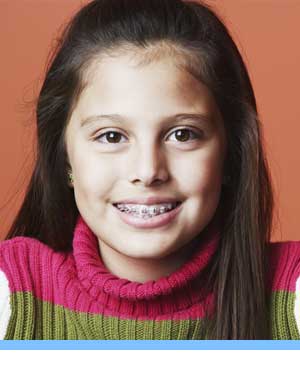
Early orthodontic treatment plays an important role in supporting healthy dental and jaw development. At Elite Orthodontics, Dr. Nader Ehsani and Dr. Sherry Sabet provide early evaluations to identify potential orthodontic concerns, guide proper growth, and help set the foundation for a confident, healthy smile. By monitoring your child’s development early, our team can recommend treatment at the right time and help prevent more complex orthodontic issues in the future.
When Should Your Child First See an Orthodontist?
The American Association of Orthodontists recommends that children visit an orthodontist by age 7. This early orthodontic evaluation allows Dr. Ehsani and Dr. Sabet to assess how your child’s teeth and jaws are developing and determine whether early treatment may be beneficial. In some cases, your family dentist may also recommend an orthodontic visit earlier if potential concerns are noticed.
Why Early Orthodontic Treatment Matters
Early orthodontic care, often referred to as Phase 1 orthodontic treatment, focuses on guiding growth and development while your child’s jaw and teeth are still forming. Addressing concerns early can help create a healthier foundation for permanent teeth and future orthodontic care.
Benefits of early orthodontic treatment may include:
- Guiding proper jaw growth and alignment
- Creating space for incoming permanent teeth
- Reducing the risk of injury to protruding front teeth
- Addressing oral habits such as thumb sucking or tongue thrusting
- Improving bite function and overall facial balance
Does Every Child Need Early Orthodontic Treatment?
Not every child requires early orthodontic intervention. Some orthodontic concerns are better addressed during the teenage years, once all permanent teeth have erupted. At Elite Orthodontics, every child receives a personalized evaluation, and treatment is only recommended when it provides clear long-term benefits.
If early treatment is not needed, your child may be enrolled in our Orthodontic Supervisory Program.
What Is the Orthodontic Supervisory Program?
The Orthodontic Supervisory Program is designed for children who are not yet ready to begin treatment. Through periodic check-ups, typically every 6 to 8 months, our team monitors dental development and jaw growth to ensure treatment begins at the optimal time.
This program allows us to:
- Track tooth eruption and jaw development
- Identify changes that may require future treatment
- Recommend preventive steps when appropriate
There is no cost for participation, and it provides peace of mind for parents as their child grows.
Benefits of Early Orthodontic Care
Orthodontic treatment offers more than just straighter teeth. Early care can support long-term oral health and overall well-being.
Benefits may include:
- Improved bite alignment and function
- Easier brushing and flossing
- Reduced uneven tooth wear
- Healthier gums and teeth
- Increased confidence as your child grows
Will My Child Still Need Braces Later?
Early orthodontic treatment can address significant concerns early and make future orthodontic care more efficient. However, most children will still need braces or aligners during their teenage years to fine-tune alignment and achieve optimal results. In some cases, early treatment may be all that is needed.
The Importance of Regular Dental Visits
Routine dental visits remain essential during orthodontic treatment. Regular cleanings and check-ups with your family dentist, performed every six months, help maintain the health of your teeth and gums throughout treatment and support long-term oral health.
Frequently Asked Questions
Parents often have questions about early orthodontic care and what to expect during this important stage of development. Below are answers to some common questions to help you better understand early orthodontic treatment and how it can support your child’s smile.
How Long Does Early Orthodontic Treatment Typically Last?
Early orthodontic treatment usually lasts between 6 and 18 months, depending on your child’s specific needs and growth patterns. The focus is on guiding development rather than completing full alignment.
What Appliances Are Commonly Used During Early Treatment?
Early treatment may involve appliances such as palatal expanders, space maintainers, or partial braces. These appliances help support jaw development and create space for permanent teeth.
Is Early Orthodontic Treatment Uncomfortable for Children?
Most children experience mild pressure or soreness when appliances are first placed or adjusted. This discomfort is temporary and typically subsides within a few days.
Can Early Orthodontic Treatment Support Airway Health?
In some cases, early orthodontic care can help improve jaw positioning and create additional space in the mouth, which may support healthier breathing and airway development as a child grows.
How Often Are Appointments Needed During Early Treatment?
Appointment frequency varies, but most children are seen every 6 to 10 weeks during active early treatment to monitor progress and make necessary adjustments.